Sunroom Addition or Traditional Room Addition: What Fits Your Home?
Sep 29, 2026 | Four Seasons Sunrooms
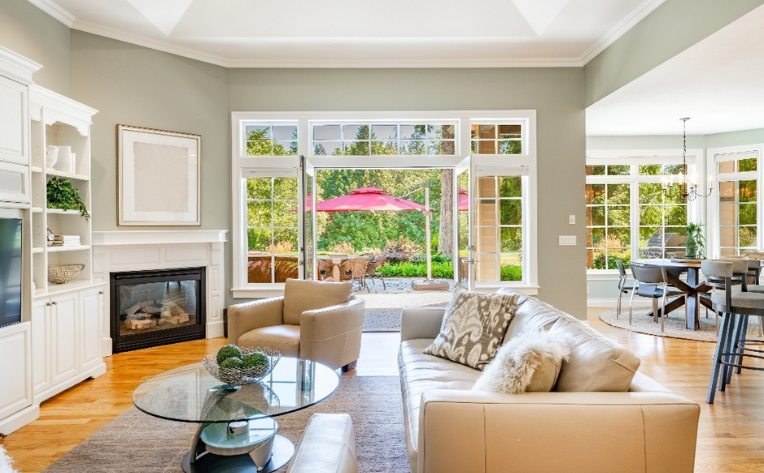
Extra space can change how you enjoy your home, but the type of addition matters just as much as its size. A sunroom addition creates a bright space with outdoor views, while a traditional room addition can accommodate needs such as a bedroom, expanded kitchen or enclosed family room. Both offer opportunities to improve your layout. Comparing natural light, construction, design and everyday use can help you decide which option best supports your goals.
Natural Light and the Connection to Your Backyard
A sunroom’s extensive glass brings daylight and outdoor scenery into the room, making it an inviting setting for morning coffee, reading or gathering with friends. Depending on the design, glass roofing can also open up views of the sky. A traditional addition typically combines solid walls with windows, giving you more control over privacy and wall space for storage, artwork or a television. It can still feel bright with carefully placed windows. Consider your home’s orientation, neighboring properties and potential glare when deciding how much glass suits the space.
Construction and What Shapes the Project
Traditional additions generally involve a foundation, framing, roofing, insulation, interior wall finishes and any necessary utility extensions. A sunroom addition may use an engineered system with components manufactured before installation, which can simplify portions of the building process. However, it still needs suitable structural support and a secure connection to your home. Neither option has a universal price or completion timeline. Size, site conditions, materials, electrical work and heating and cooling needs all influence the scope. Compare detailed proposals that explain what is included, rather than assuming one approach will always be faster or less expensive.
Everyday Uses and Design Flexibility
A sunroom can shift between a sitting area, dining space, hobby room or place to entertain as your needs change. Its glass walls influence furniture placement, so planning outlets, seating and storage early helps make the room practical. Traditional additions offer greater flexibility for spaces requiring privacy, extensive cabinetry or plumbing, such as bedrooms and bathrooms. Both can complement your home’s architecture through thoughtful rooflines, proportions and finishes. Four Seasons Sunrooms offers styles including cathedral rooms and conservatories, giving homeowners several ways to shape the appearance of their addition.
Plan Around Comfort and Your Long-Term Goals
Before choosing, decide how often you will use the room and what comfort features it needs. Seasonal sunrooms and rooms designed for year-round use have different requirements, so discuss glazing, insulation, ventilation and heating and cooling with your installer. For either project, review foundation needs, property setbacks, applicable permits and how the new space will connect to existing rooms. Start with the activities you want to enjoy, then explore sunroom addition options from Four Seasons Sunrooms. Schedule a design consultation to compare layouts and develop a plan that fits your home, priorities and budget.